'The Revolution Continues': Creative Practices Since the 2011 Egyptian Revolution
This online course led by interdisciplinary theatre and performance scholar, educator, and artist Dr Nesreen Hussein explores creative practices since the January 2011 Egyptian revolution, and how they have been negotiated by Egyptian artists, cultural practitioners, and activists as forms of resistance, grassroots activism, or political expression.
Drawing on examples from the performing arts, media, visual arts, and cultural preservation, the course unpacks some of the dynamics of ‘subversive’ creative practices that emerged since 2011, and their role in shaping understandings of place, citizenship, and collective agency, and by implication, reactivating the public sphere.
Emphasising collective learning and imagining, together we will explore the notions of ‘revolution’ and ‘revolutionary continuation’, often held in the illegible or the invisible, and trace their potential manifestations today. The course will be delivered through six weeks of live online sessions that weave between theory and examples of practice, viewings, readings, collective discussions, offline activities, and conversations with guest artists and cultural practitioners in Egypt.
The course is suitable for adult participants, and is open to artists, scholars, educators, cultural practitioners, activists, from all backgrounds and levels of experience. Prior knowledge is not essential, but active, critical, and exploratory engagement is expected.
This course is based on an ongoing book project in development, so the material presented is evolving and not for redistribution. Classes will not be recorded but class resources will be shared via the Teachable platform.
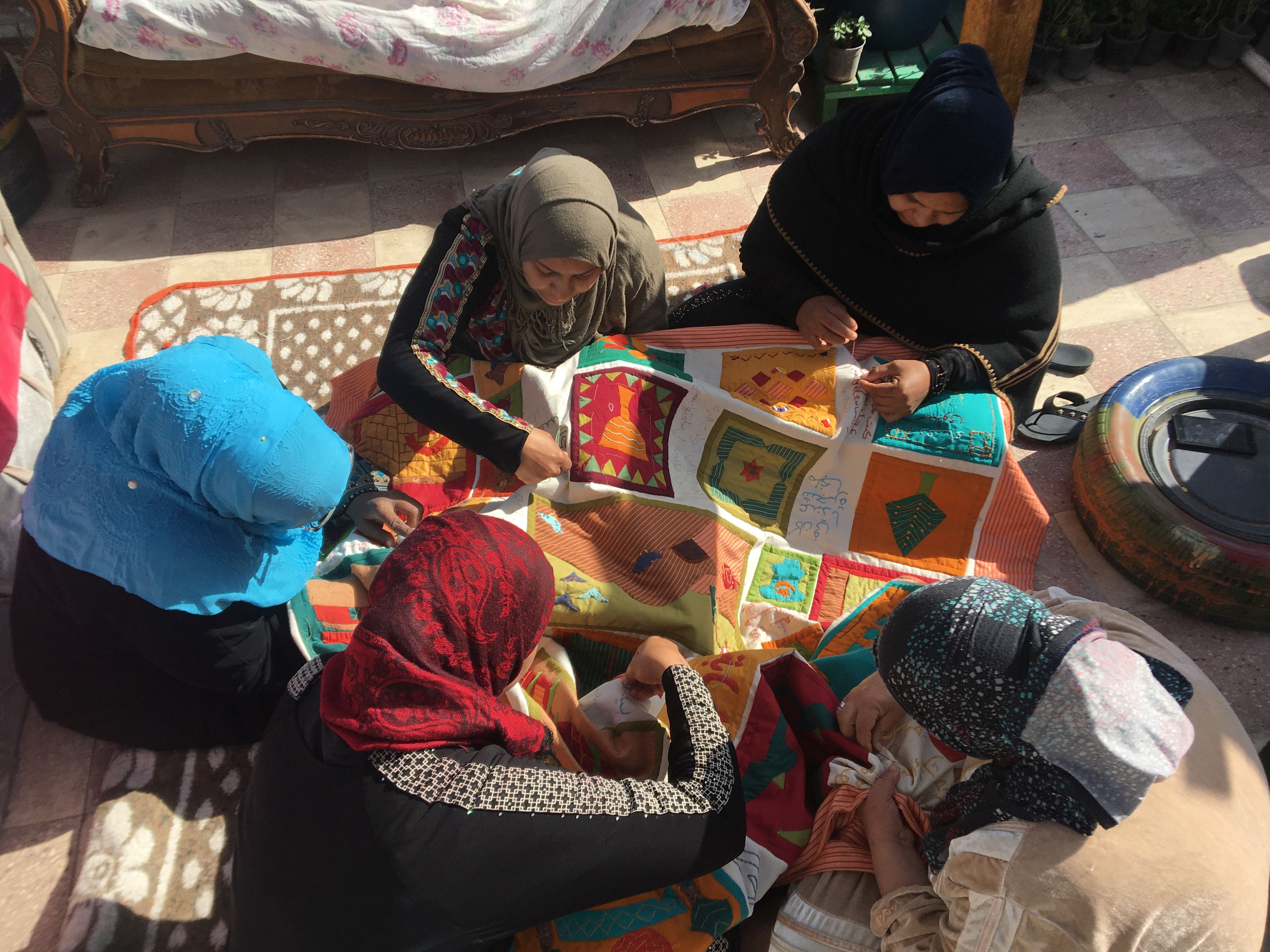
The "Women Quilt for al-Hattaba" project aimed at co-designing a khiyamiyya tapestry involving community women from al-Hattaba and a textile designer. The design is the result of the communities oral stories and histories visualised in this khiyamiyya as a portrayal of the community's heritage. Read more about the project here: https://atharlina.com/projects/women-quilt-for-al-hattaba/
Photo credit: Athar Lina / Megawra - Built Environment Collective.
Course Overview
All classes will be held through Google Meet.Classes will be held weekly from 6pm BST and last between 90 mins and 2 hours each week.
Asef Bayat in Revolutionary Life: The Everyday of the Arab Spring (2021) problematises the question of revolutionary ‘failure’ or ‘success’ when considering the transformations that may emerge in societies post revolutions at personal and social levels. Bayat argues that certain internalised revolutionary ways of feeling, being, and doing, at the level of subaltern everyday politics, put together, are irreversible; they differentiate societies from pre-revolutionary past and, at the same time, set the foundation for thinking of different futures (1). Coinciding with the fifteenth anniversary of the Egyptian revolution, this course at its core builds on Bayat’s premise when exploring certain artistic and cultural initiatives in Egypt over the past years, while unpacking some of the implications of a shifting political and cultural reality in the years following the 2011 revolution. It considers how lived experiences of those momentous past years may have led to the emergence of creative expressions of resistance and survival at the level of grassroots and art practices in ways that may lead to ‘new’ forms of political participation that enable a space for the production of ‘worlds and knowledges otherwise’ (2).
Week 1 | Wednesday 10 June
Midan El-Tahrir: Between the Symbol and the ‘Real’
This opening session introduces a historical context by looking at the culture of activism and the networks of oppositional publics that have been gradually gaining power and momentum in Egypt over the past decades, and that led to the revolution in 2011. It then focuses on Tahrir Square (Midan El-Tahrir), which in the early months of the revolution became a focal point and a site of collective grassroots activism that creatively and symbolically disrupted the simulated spectacle of colonial and state powers ingrained in Cairo’s public spaces, performing a utopian microcosm of a possible future.
Week 2 | Wednesday 17 June
Citizen Media: Documenting Digital Memory
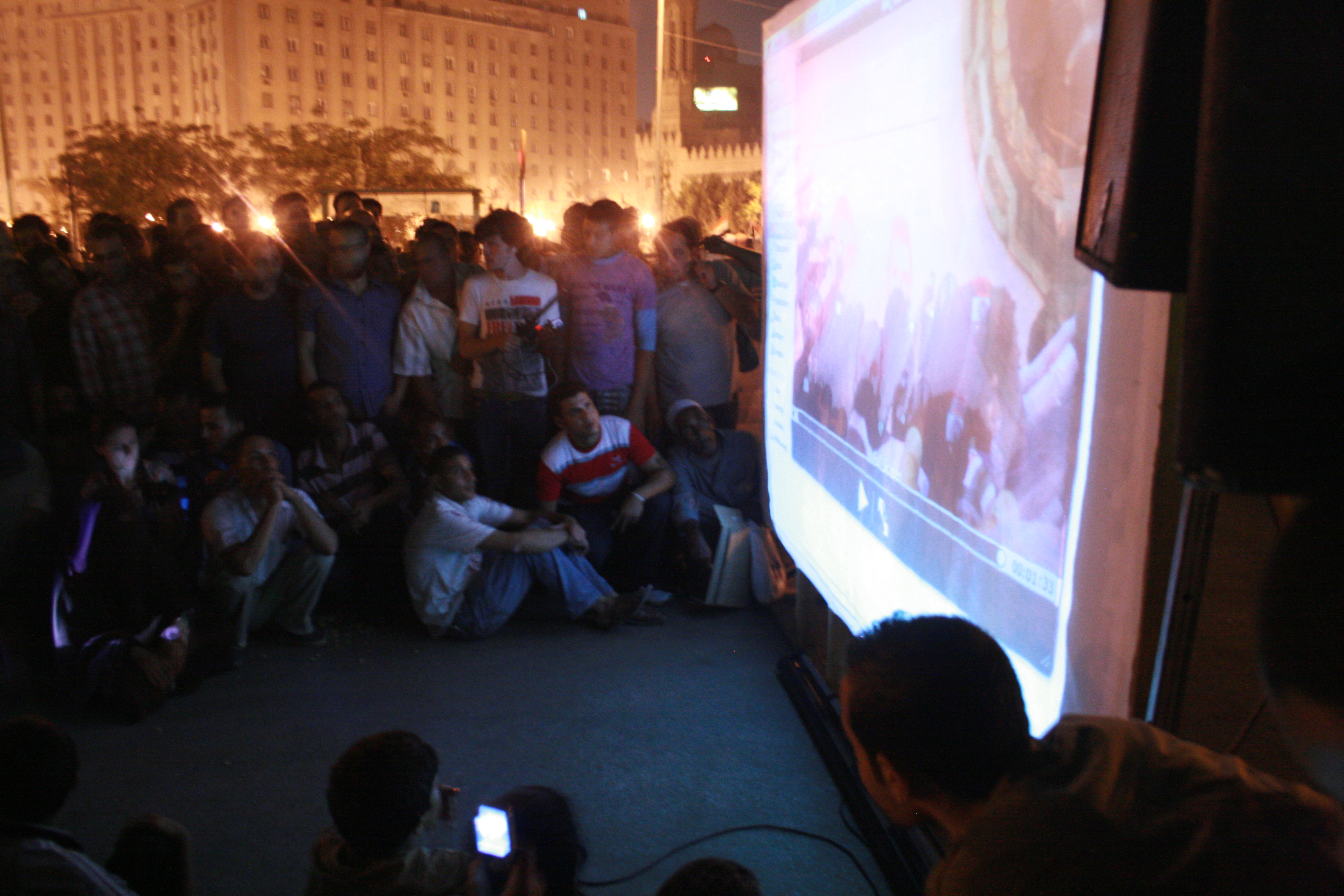
This session looks at acts of documentation that marked the lived experience of the revolution, where protestors, often equipped with no more than mobile phone cameras, were intent on capturing the moment while it is unfolding. A surge of various multimedia content emerged since January 2011. That phenomenon led to a marked effort by grassroots media collectives, not only to collect and preserve such valuable digital memory, but also to make it accessible to the public in an effort to support and promote forms of ‘citizen media’. Many of such initiatives were born in Tahrir Square, aiming at empowering the public to become active agents in remembering and telling their stories.
Week 3 | Wednesday 24 June
Between the Street and the Theatre: Documentary and Verbatim Theatre
This session focuses on a form of contemporary theatre that emerged after the revolution in 2011 and that employed the immediacy of documentary form as a response to political change and unrest, seeing in documentary and verbatim theatre a mode of resistance that intervenes in hegemonic discourse. Drawing on Peter Weiss’s ideas on documentary theatre and its relationship to political protest, the session considers how the examples explored attempted to extend the struggle on the street, occupying a liminal position between the performance space and the public space, forming a dialogic relationship between performance and audience as active co-participants in a community ‘in the making.’ As such, documentary form modelled a constantly shifting and open-ended revolutionary process.
Guest speaker: Laila Soliman is a distinguished Egyptian independent theatre director, playwright, and educator with over two decades of professional experience.Her work stems from an interest in the state of flux in the contemporary socio-political climate and its influence on individuals, relationships and power structures. It relies on collective memories and personal histories as ways of bridging the gap between the official versions of events and intimate, individual experiences.
Week 4 | Wednesday 1 July
Performing ‘Utopia’ / Reclaiming Public Space: Art Interventions in Public Spaces
This session explores spaces of resistance and resilience that emerged during moments of great constraint, as in the erosion of an inclusive and accessible public sphere, signalling possibilities within and beyond given circumstances. The work produced during that period played a part in regenerating a lost sense of belonging, finding ways to reclaim public spaces, along with and the authorship of the narrative of history. Building on Ernst Bloch and Paul Ricœur’s notions of ‘utopia’, the session demonstrates how those works, and the creative strategies underpinning them, intervened in the dominant narratives surrounding the current socio-political landscape, when social and political histories have been gradually deconstructed.
Guest speaker: Heba elCheikh is an Egyptian creative producer, art manager, and consultant specializing in art management and creative entrepreneurship. She is the deputy of the French Cultural attache. She co-founded Mahatat for Contemporary Art in 2011, aiming to democratize art by making it accessible to all through public space and community art projects.
ElCheikh holds a master's degree in arts management from the Utrecht School of the Arts, focusing on community arts and evaluation. She has served as a steering committee member of the Circostrada Network and as a local associate of NESTA's Creative Enterprise Programme in Egypt.
Week 5 | Wednesday 8 July
Against Erasure: Cultural Preservation as an Anchor for the Future
At a time marked by the systematic erasure of peoples, lands, and cultural memory, archiving and heritage preservation become acts of resistance and survival. In Indigenous worldview, history is not linear, but the past-future is contained in the present in continuous feedback from the past to the future (3). Rooted in the premise that the seeds of the future are held in the depth of the past, this session explores some of the ongoing initiatives dedicated to documenting and preserving eroding cultural heritage across visual arts, architecture, and performing arts. Some of these initiatives approach conservation as an inclusive mode of citizen participation, incorporating creative methods to reactivate local communities’ relationships with heritage sites as resources and as living archives.
Guest speaker: Ehsan Abushadi is a deputy director at Megawra – Built Environment Collective (www.megawra.com / www.atharlina.com) and the project coordinator of Patterns of Cairo (www.patternsofcairo.com / @patternsofcairo). She has a BSc in Architectural Engineering from the American University in Cairo (AUC), and a Master in Advanced Architectural Projects from the Escuela Técnica Superior de Arquitectura de Madrid (ETSAM) at the Universidad Politécnica de Madrid (UPM).
Week 6 | Wednesday 15 July
The Festival as a Community ‘in the Making’
This closing session looks at the shifting political and cultural landscapes in recent year and how it impacted forms of creative expression. Against this context, the session focuses on an inflection of the practice of reclaiming the public sphere as intervention, which can be traced through the emergence of independent site-specific and place-based festivals that try to bring visual and performing arts closer to the public. Such festivals become acts of ‘community making’ that attempt to ground contemporary art in the material and cultural realities of a city.
Guest speaker: Hazem Header
Hazem Header is an Egyptian contemporary dancer, choreographer, and cultural producer. After earning a BA in Physical Education and studying personal training, biomechanics, and kinesiology, he worked as a personal trainer and volleyball coach before deciding to dedicate himself fully to contemporary dance in 2009. He subsequently trained at the governmental centre “Cairo Contemporary Dance Centre (CCDC)” at the Cairo Opera House.
In 2017, he launched Breaking Walls Festival, Cairo’s first international festival dedicated to site-specific performance. Building on this work, he established the Breaking Walls Dance Film Festival in 2021, the first festival in Egypt and the wider region dedicated exclusively to dance films.
[1] Asef Bayat, Revolutionary Life: The Everyday of the Arab Spring (Harvard University Press, 2021), 43.
[2] Arturo Escobar, ‘Worlds and Knowledges Otherwise: The Latin American Modernity/Coloniality Research Program,’ Cultural Studies 21, no. 2-3 (2007): 179.
[3] Silvia Rivera Cusicanqui, ‘Ch’ixinakax utxiwa: A Reflection on the Practices and Discourses of Decolonization,’ The South Atlantic Quarterly 111 no. 1 (2012): 96.
Meet Your Tutor
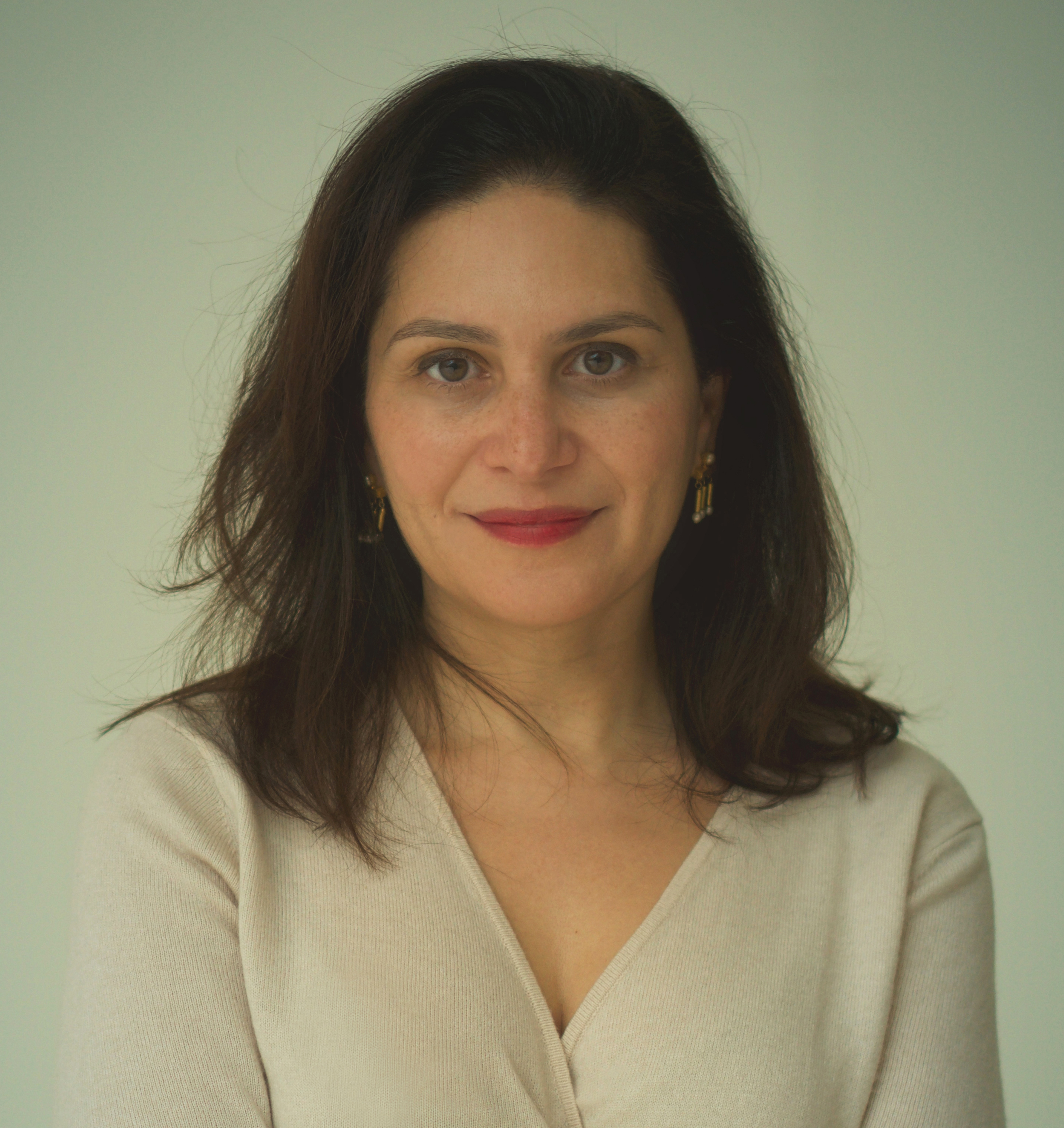
Dr Nesreen N. Hussein is an Egyptian-British interdisciplinary theatre and performance scholar, educator, and artist based between Cairo and London. Her praxis is grounded in the intersections of performance, politics, and activist practices, and is informed by understandings of identity and belonging. Her work draws on 'Global South' epistemologies, postcolonial critique, and decolonial praxes. She received a PhD in Drama and Theatre from Royal Holloway, University of London, and has taught extensively at various universities in the UK and Egypt. Her scholarship appears in leading international publications, including Contemporary Theatre Review; Theatre, Dance and Performance Training; Theatre Research International; Global Performance Studies; and Contention: The Multidisciplinary Journal of Social Protest. She is co-editor of Global Performance Studies (GPS) journal and Associate Editor of Performance Research journal.
Nesreen received the Helsinki Prize and the New Scholars Prize from the International Federation for Theatre Research in 2011. In 2024, she received the Theatre and Performance Research Association’s Edited Collection Award for the multilingual special issue 'Decolonisation and Performance Studies' in GPS (2022). In 2025, she became Associate Researcher at the Department of Social Anthropology and Cultural Studies, Unit of Middle East and Muslim Societies, University of Bern.