The Third House: Writing and Sharing Diasporic Poetry
6-8pm | 6 weeks | Tuesday 22 September - Tuesday 27 October 2026
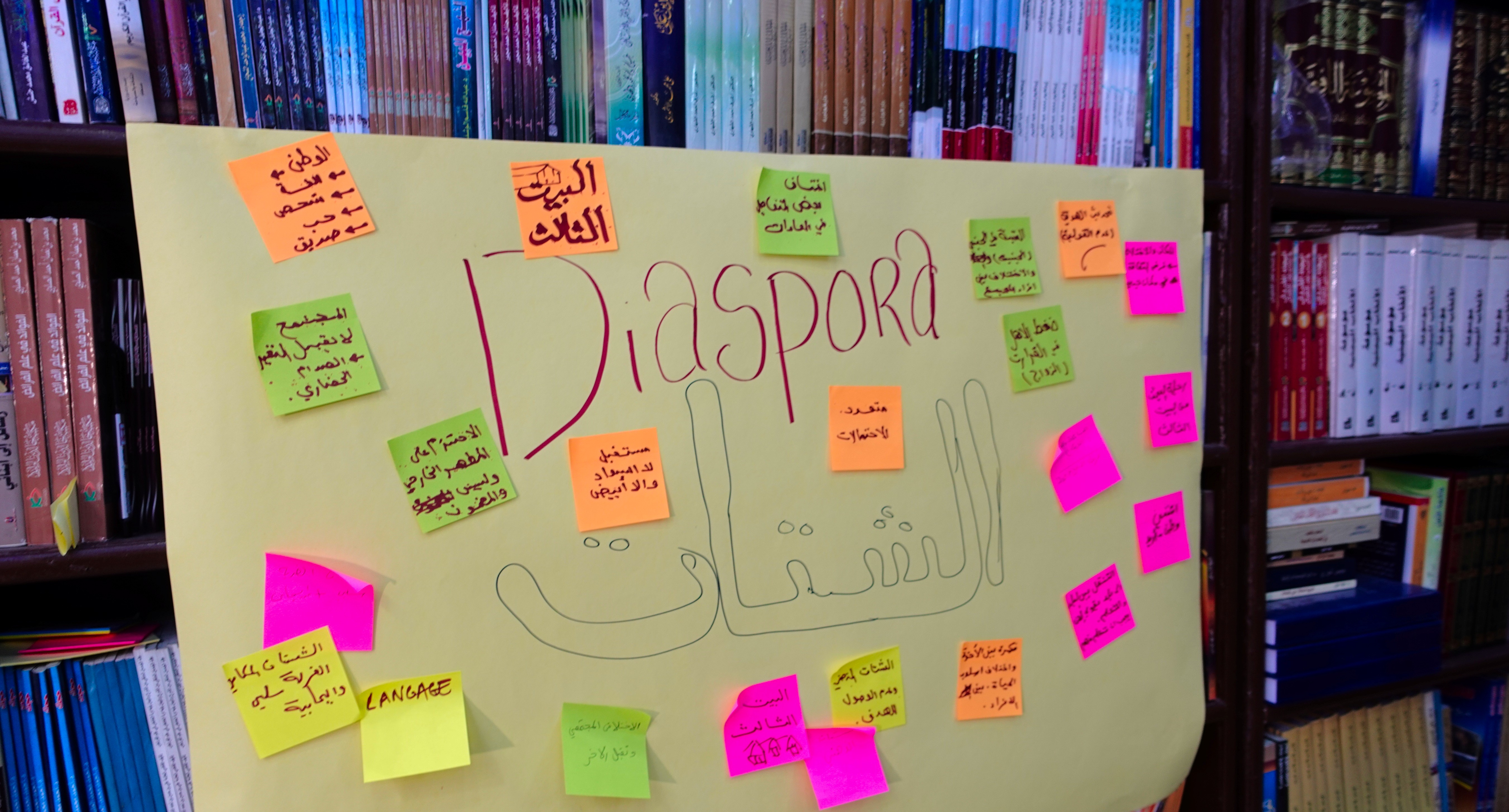
The Third House is an in-between space between home, homeland, and the imagined future home, where Arab diaspora voices can explore identity, intergenerational memory, cultural landscapes, language, and belonging through creative practice and poetic writing.
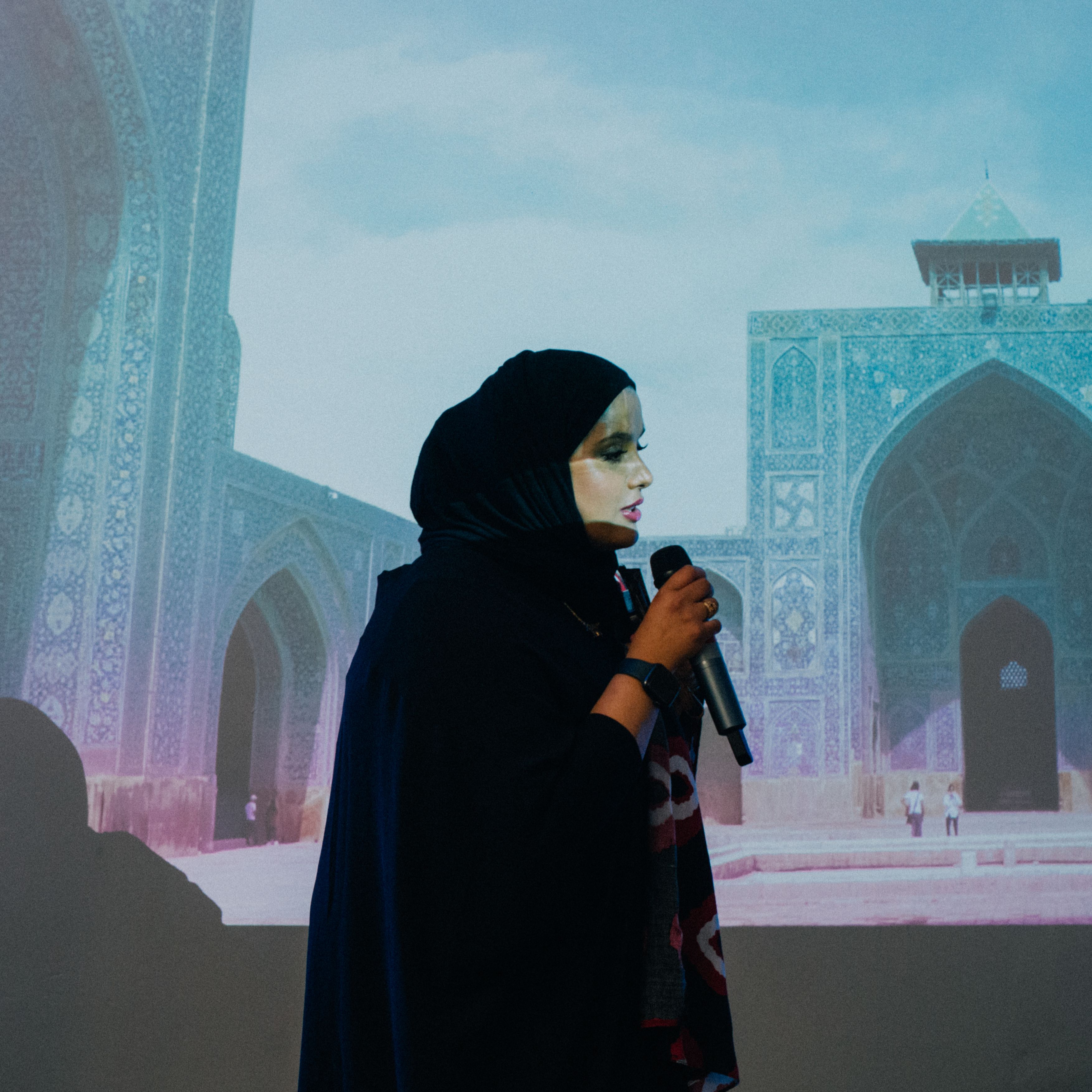
Devised and run by Amina Atiq, a Yemeni-British poet, teaching artist, and creative practitioner, this participant-led online course engages creative methodologies including oral storytelling, body mapping, photovoice and ghazal poetry; offering an opportunity to actively explore and produce knowledge shaped by stories carried, lived, and imagined.
It is an evolving process of story-making and the creation of a living archive of the Third House, culminating in a piece of poetry, in the form of a ghazal, with themes emerging through each participant’s individual process throughout the sessions.
Who this course is for
This course is designed for individuals with a connection to the Arab world* (18+) from diaspora, exile, or immigrant backgrounds.
You don't need prior experience as a writer or poet but a willingness to write and interest in exploring identity through creative expression is essential.
The course will be delivered in English and any Arabic text provided will be accompanied by an English translation. Speaking Arabic is not essential and bringing your "broken" Arabic is encouraged!
Group size and wellbeing
Sessions will not be recorded and the group size will be capped at 10, to ensure a more personal and supportive space for all participants.
We will explore themes that may be challenging or emotionally triggering, but we are committed to creating an environment where you feel safe and supported. If there’s anything The Arab British Centre can do to help you feel more comfortable, please don’t hesitate to reach out. Our hope is that this course will be a space for creative joy and expression, where you can listen, share, and engage in meaningful dialogue with others.
*Geographically defined by the 22 member states of the Arab League: Algeria, Bahrain, Comoros, Djibouti, Egypt, Iraq, Jordan, Kuwait, Lebanon, Libya, Mauritania, Morocco, Oman, Palestine, Qatar, Saudi Arabia, Somalia, Sudan, Syria, Tunisia, United Arab Emirates, and Yemen.
Course Overview
All classes will be held through Zoom, accessed via the Teachable platform. Times listed are UK time.
Tuesday 22 September | 6-8pm
Chapter 1: Al Diwan
We'll start by creating an online cafe space, our 'Arab Diwan', sharing memorable oral stories as a group practice, focusing on capturing and retelling family stories.
We'll introduce the qasida as an example of how writing can carry cultural memory and be passed across generations in different forms, before exploring free writing, capturing spoken storytelling.
We'll look at how stories change over time. What is remembered, what is left out, and what is altered when stories are retold across generations and contexts.
Tuesday 29 September | 6-8pm
Chapter 2: Body-Mapping
Body Mapping is a participatory arts method where participants create a visual representation of the body, using drawing, colour, and mark making. In this online version, we will adapt the method for the Third House context.
We will explore how memory is stored, triggered, and expressed through visual mapping of the body. We'll consider how connection to land, place, and culture shapes identity, and how creative mapping can respond to processes of erasure or loss of knowledge.
Tuesday 6 October | 6-8pm
Chapter 3: Photovoice
Photovoice is a participatory method where we'll use photographs to explore and communicate aspects of our lived experience, identity, or community. We will draw on key elements of this methodology in a shorter and adapted form.
Tuesday 12 October | 6-8pm
Chapter 4: Object Monologue
Building on Photovoice, participants will explore storytelling through physical objects using a similar reflective structure.
Tuesday 18 October | 6-8pm
Chapter 5: Ghazal
Drawn from across the course, each couplet becomes a fragment of the Third House, where the ghazal carries memory through repetition, echo, and return.
Tuesday 24 October | 6-8pm
Chapter 6: The Living Archive
In this final session, we'll go from page to voice through editorial practice, performance techniques, and a group sharing.
We'll celebrate both the writing and the process before a collective reflection on the course and a gentle check out.
Meet Your Tutor
Amina Atiq is a Yemeni-British poet, teaching artist, and creative practitioner working across education, wellbeing, and participatory research. She is a member of the anti-racism advisory board for Curious Minds and Co-Chair of the Diversity Action Group at Liverpool Everyman & Playhouse Theatres. Her work uses creative practice to support wellbeing, amplify voice, and explore identity within community, educational, and cultural contexts.
Her work has been presented in publications including Critical Muslim, We Have Also Survived: Poetry as a Tool for Resistance in Humanitarian Crises Around the World, Speaking Volumes, Queensland Poetry Festival and Cordite Poetry Review, and The Independent (The Death of the Face: Yemen’s Humanitarian Crisis).