Browse products

Browse products

Product filters:
search
Product image for Arabic Music Theory

Arabic Music Theory

This course is highly recommended for students who want to take oud lessons for the first time but haven’t seriously studied music before. In this short series of classes, consisting of 5 lessons, you will learn all the basic skills you need to read, write and “talk” music. Taking a practical approach to music theory, we will be adapting the best bits from Western classical music theory and Arab classical music theory to give you all the tools you need to start your new life as a musician.

Course•By The Arab British Centre

Learn more
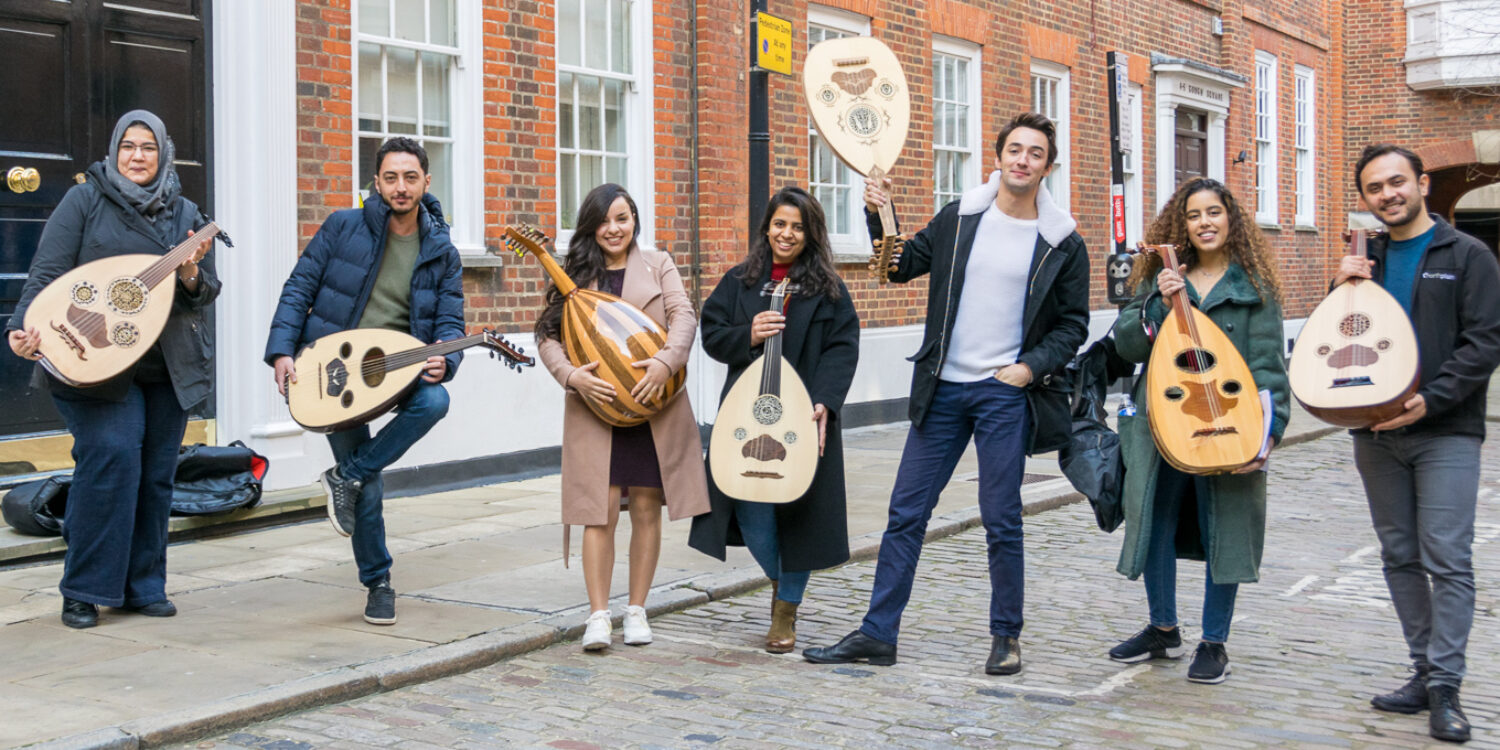
Product image for Creative Indiscipline: Art, Exile, and Resistance

Creative Indiscipline: Art, Exile, and Resistance

*Starts Tuesday 31 March* A six-week course exploring how artists, writers, filmmakers, and cultural practitioners in Morocco, Algeria, and Tunisia have developed distinctive ways of making, thinking, and imagining since independence. By creative indiscipline, the course understands insubmission as a conscious refusal of colonial legacies, patriarchal norms, religious authoritarianism, and attempts to regulate culture, bodies, and memory. The course explores how indiscipline has been practised through imagination, form, and experiment: as a way of thinking, making, and living otherwise.

Course•By The Arab British Centre
Learn more
Product image for Darbuka Advanced Plus

Darbuka Advanced Plus

Students will learn how to play solo applying improvisational rhythms while others simultaneously play a ground rhythm such as Maqsoum, Malfouf, Baladi etc. Students will also begin practicing how to accompany the oud while performing different dynamics, precise tempo and accurate pulses within each rhythm. Students will learn the accent in rhythms and explore more complex polyrhythms with ‘Hiwa’ and ornamentations with a focus on right-hand coordination and right-hand Mahbus. Additionally, students will learn how to play with a recorded track, song or piece of music using the dynamics while maintaining a precise tempo throughout each piece.

Course•By The Arab British Centre

Learn more
Product image for Darbuka Advanced Plus 2

Darbuka Advanced Plus 2

This course is open to returning students who have successfully completed the Darbuka Advanced courses. The course will focus on new complex rhythms and polyrhythms. Students will have the opportunity to play solo and improvisation alongside recorded and live music, keeping the beat with songs. They will also learn how to hum or sing along tunes while playing the darbuka and keeping time with the music. Students will progress the accent in rhythms and explore more complex polyrhythms with ‘Hiwa’ and ornamentations with a focus on right-hand coordination and right-hand Mahbus.

Course•By The Arab British Centre

Learn more
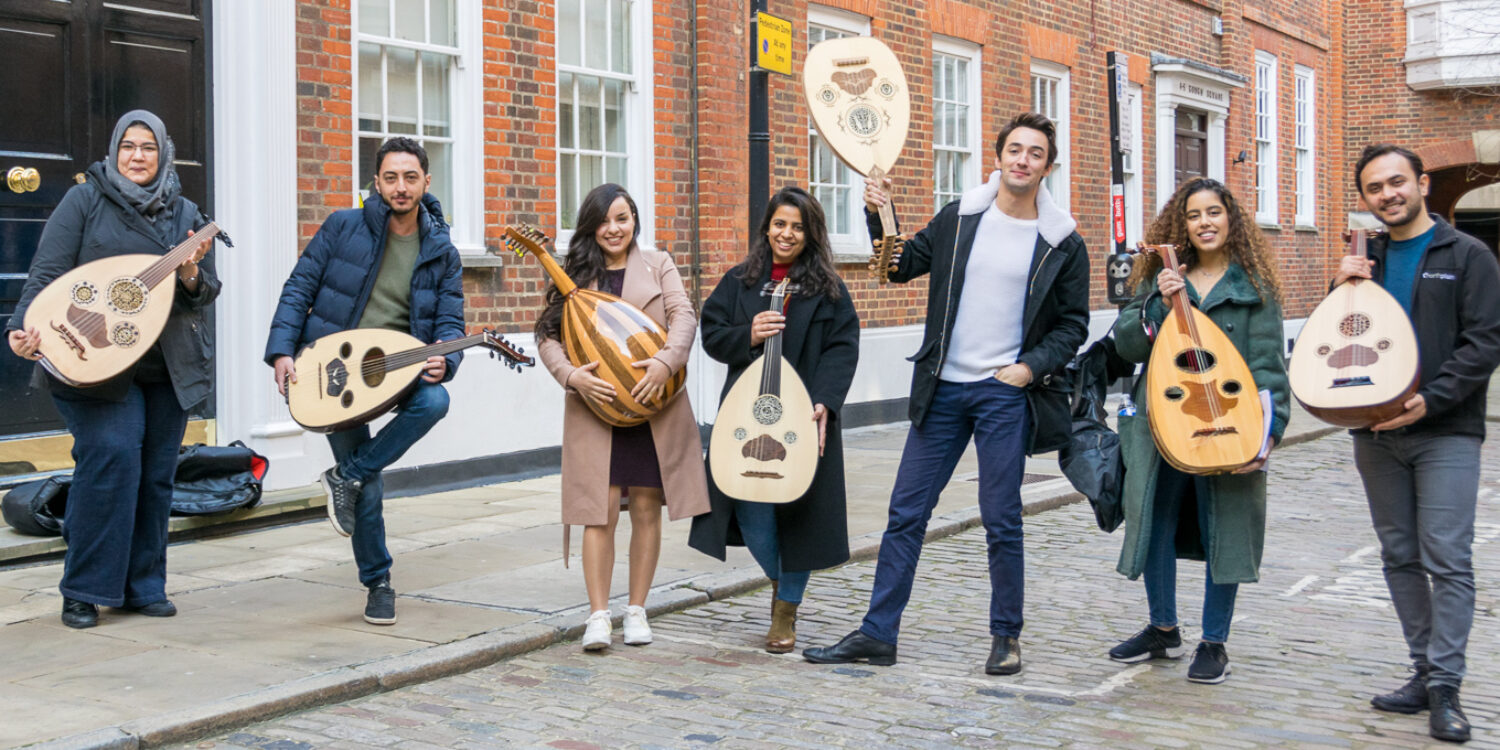
Product image for Darbuka Beginners

Darbuka Beginners

The darbuka (also darbuka, doumbec, tabla and goblet drum) is a drum with an ancient history and is widely used in the music of the Middle East and neighboring areas. This course will cover basic techniques such as the correct way to hold the darbuka, how to produce the correct tones (such as “dum” and “tak”) and the correct right and left-hand strokes. Students will learn a variety of popular rhythms such as Wahda, Maqsoum, Ayyub, Malfouf and Thurayya. At the end of the course, students will have the option of progressing to the Darbuka Intermediate course.

Course•By The Arab British Centre
Learn more
Product image for Darbuka Intermediate

Darbuka Intermediate

This course is open to returning students who have successfully completed the Darbuka Beginner to go to Intermediate level. The course will focus on new complex rhythms and sound equality, keeping the beat and right tempo. They will also learn how to hum or sing along tunes while playing the darbuka and keeping time with the music. Furthermore, students will begin to explore the new complexities of rhythmic, hands coordination and new sounds.

Course•By The Arab British Centre

Learn more
Product image for Darbuka Upper Intermediate

Darbuka Upper Intermediate

This course is open to returning students who have successfully completed the Darbuka Beginner and Intermediate courses. The course will focus on new complex rhythms and polyrhythms. Students will have the opportunity to play alongside recorded and live music, keeping the beat with songs. They will also learn how to hum or sing along tunes while playing the darbuka and keeping time with the music. Students will also begin to explore the complexities of rhythmic improvisation creating their own combinations of ornamentation of Taqasim.

Course•By The Arab British Centre

Learn more
Product image for Decolonising Belly Dance: Theory and Practice

Decolonising Belly Dance: Theory and Practice

*Starts Tuesday 31 March* This ‘Decolonising Bellydance’ in person course is aimed at those who want to learn ‘bellydance’ beyond its bodily movement. It will look into the dance as a cultural celebration addressing its historical journey, its travel to the west and its development to the different styles we see today. It will tackle the myths that surround it, the problematic terminology and the stereotypes associated with it through the theories of Orientalism, Male & Colonial Gaze and Feminism.

Course•By The Arab British Centre

Learn more
Product image for Islamic Geometric Pattern: Practice and Meaning

Islamic Geometric Pattern: Practice and Meaning

*Starts Wednesday 25 March* Traditional geometric art served as a powerful tool in contemplating the harmonic qualities of the natural world. In this course you are invited to explore the symbolism of Islamic Geometric Pattern and try your hands at the meditative practice of its construction using only pencils, a ruler and a drawing compass.

Course•By The Arab British Centre

Learn more
Product image for Manuscript Kufic Calligraphy

Manuscript Kufic Calligraphy

*Starts 10 September* Immerse yourself in Manuscript Kufic, an early style of Arabic calligraphy that flourished during the Abbasid “golden age”. This in-person, practical course is based on the finest example of this architectural and spacious Qur’anic script which fell out of use almost a millenium ago. Under Joumana Medlej’s guidance you will learn to use the pen and gallnut ink associated with this style.

Course•By The Arab British Centre

Learn more
Product image for Oud Beginners (Saturdays)

Oud Beginners (Saturdays)

The objective of the Beginner course is to acquire the fundamental techniques needed to play the oud and understand the characteristics of the Maqam Music System while studying the eight fundamental maqamaat together with traditional and popular repertoire. No previous music knowledge is required to attend this course, as most music is notated as tablature – a visual representation which does not require an understanding of music notation.

Course•By The Arab British Centre

Learn more
Product image for Oud Ensemble I

Oud Ensemble I

This Course is open to Taqasim students who have successfully completed the Intermediate and Upper Intermediate courses. The objective of the Oud Ensemble Course is to provide students with the opportunity to further progress their performance skills in a group setting. Each class will focus on a single Maqam and its corresponding repertoire with the goal of further developing students’ ornamentation skills such as tremolos, trills and the use of qarar and jawab within each song or piece. A selection of traditional songs and pieces will be analyzed in detail, adding various ornamentations and dynamics. Maqams that will be explored in detail include: Ajam, Nahawand, Rast and Bayat.

Course•By The Arab British Centre

Learn more
Product image for Oud Intermediate

Oud Intermediate

In order to enroll for this course, it is required to have attended an Oud Upper Beginner course and have your own instrument. The teachers are available to assist in finding an Oud and in assessing instruments - please contact: school@taqasim.net. During the course, a selection of Maqams (Ajam, Hijaz, Hijaz Kar, Rast, Suznak) will be analyzed in detail while studying traditional repertoire to highlight the characteristics of each Maqam, accompanied by technical studies on right-hand techniques, left-hand positions, and 2 octave scales.

Course•By The Arab British Centre

Learn more
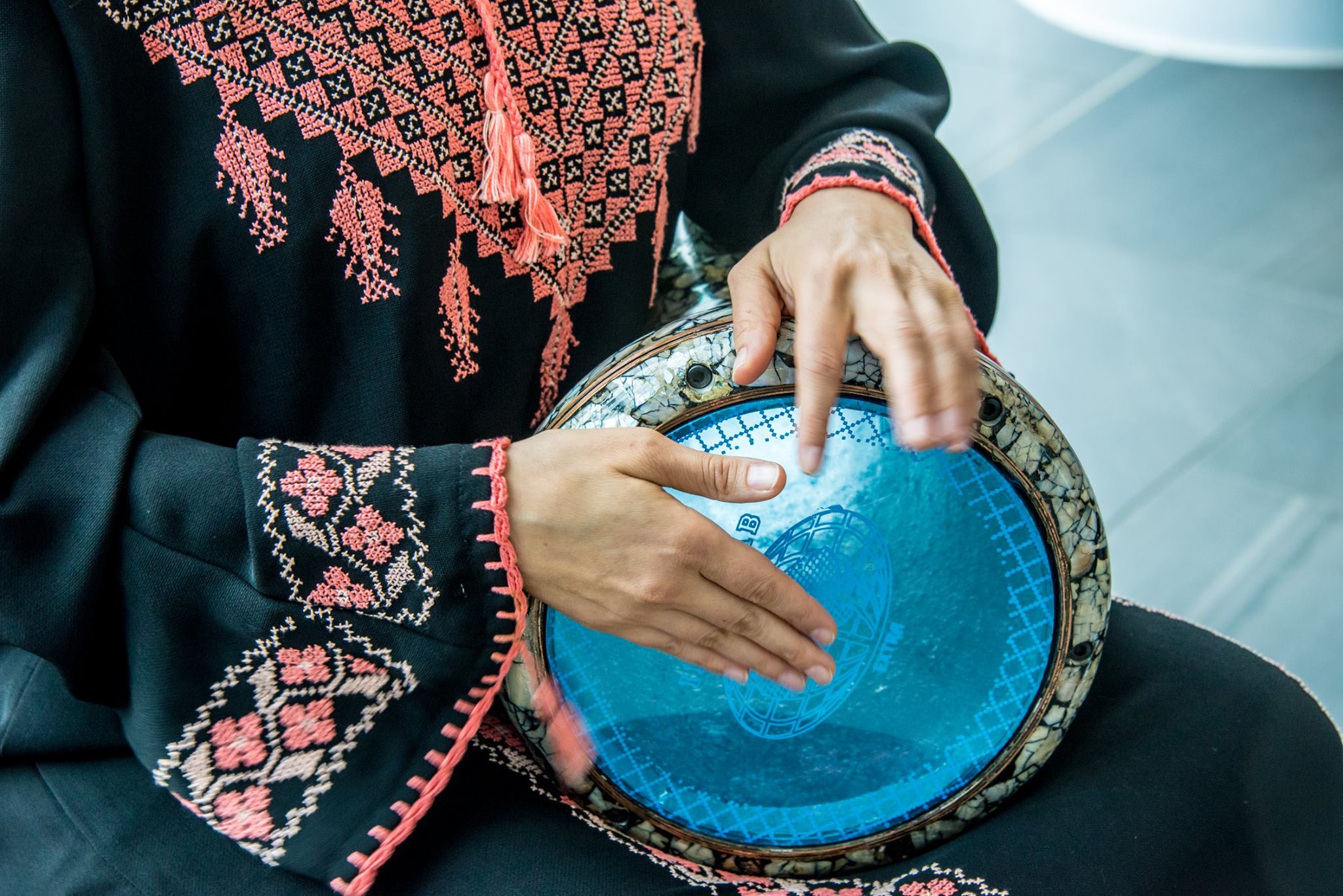
Product image for Oud Upper Beginner

Oud Upper Beginner

To enroll for this course, students need to have completed the Oud Beginner Course or be assessed by a teacher. To arrange for an assessment please email: school@taqasim.net. Also, students need to have their own instrument, which teachers are available to assist in finding one. The maqamaat that will be further analyzed and transposed from different keys during this course through the study of traditional songs and piece are: Nahawand, Ajam, Kurd, Hijaz, Bayat, Rast, Saba and Segah.

Course•By The Arab British Centre
Learn more
Product image for Oud Upper Intermediate (Cancelled)

Oud Upper Intermediate (Cancelled)

It is required to have attended an Oud Intermediate course or to be comfortable with previously covered material and have your own instrument. Students will learn about Oud ornamentation techniques and extend their knowledge of the maqam system. New maqamaat that will be covered in this course include: Nahawand, Kurd, Lami, Bayat and Maqam Bayat Shor. You will also learn new techniques using the second octave and some ornamentation.

Course•By The Arab British Centre

Learn more
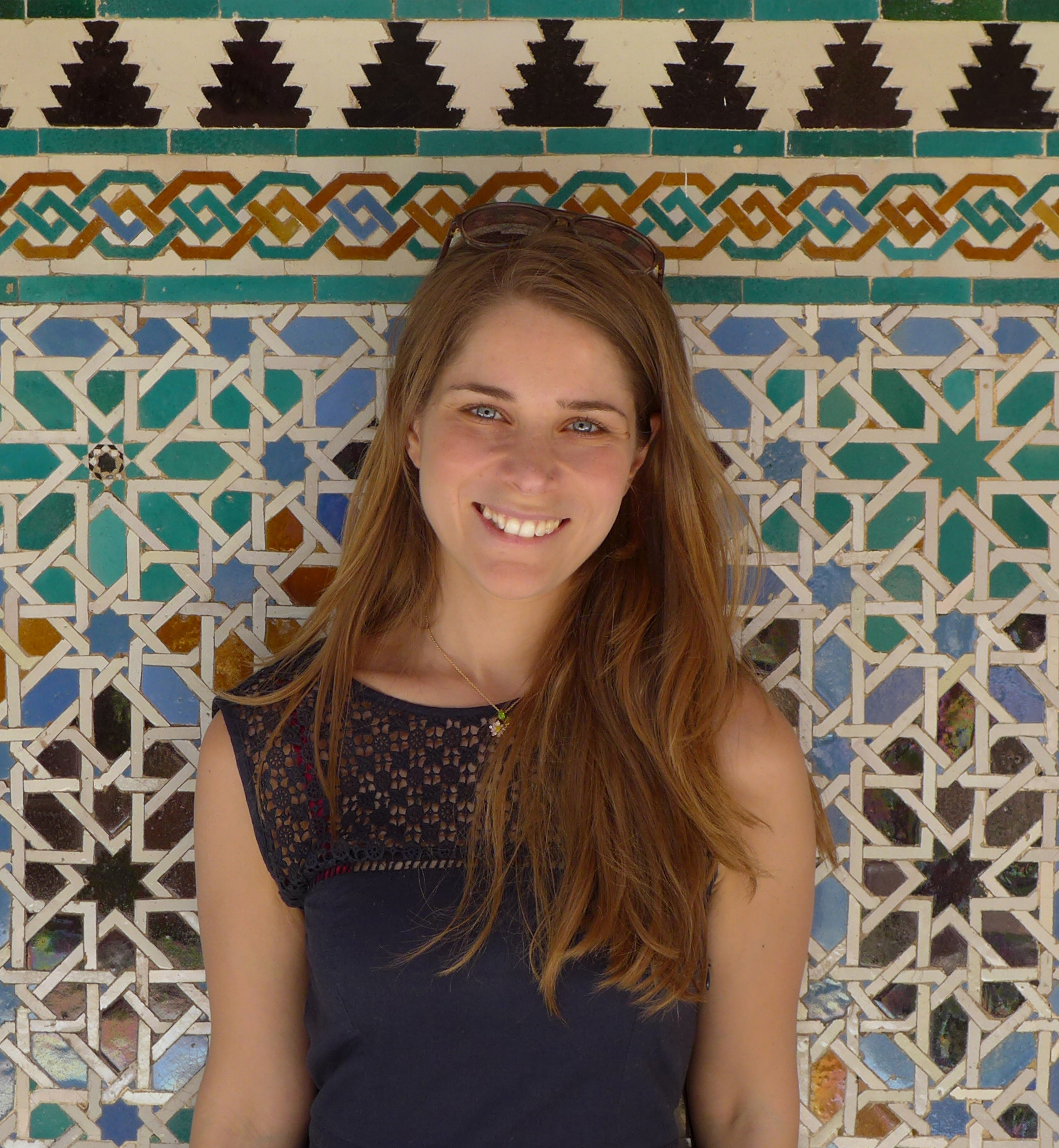
Product image for Stitching Survival: Palestinian Embroidery as Ontological Resistance and Feminist Praxis

Stitching Survival: Palestinian Embroidery as Ontological Resistance and Feminist Praxis

*Starts Thursday 26 March* This course explores Palestinian embroidery (tatreez) as a living cultural practice, a visual language, and a form of ontological and feminist resistance. Moving beyond craft-based readings, the course situates tatreez within broader historical, political, and decolonial frameworks, examining how stitched motifs encode memory, identity, gendered labour, and survival under conditions of displacement and colonial violence.

Course•By The Arab British Centre
Learn more
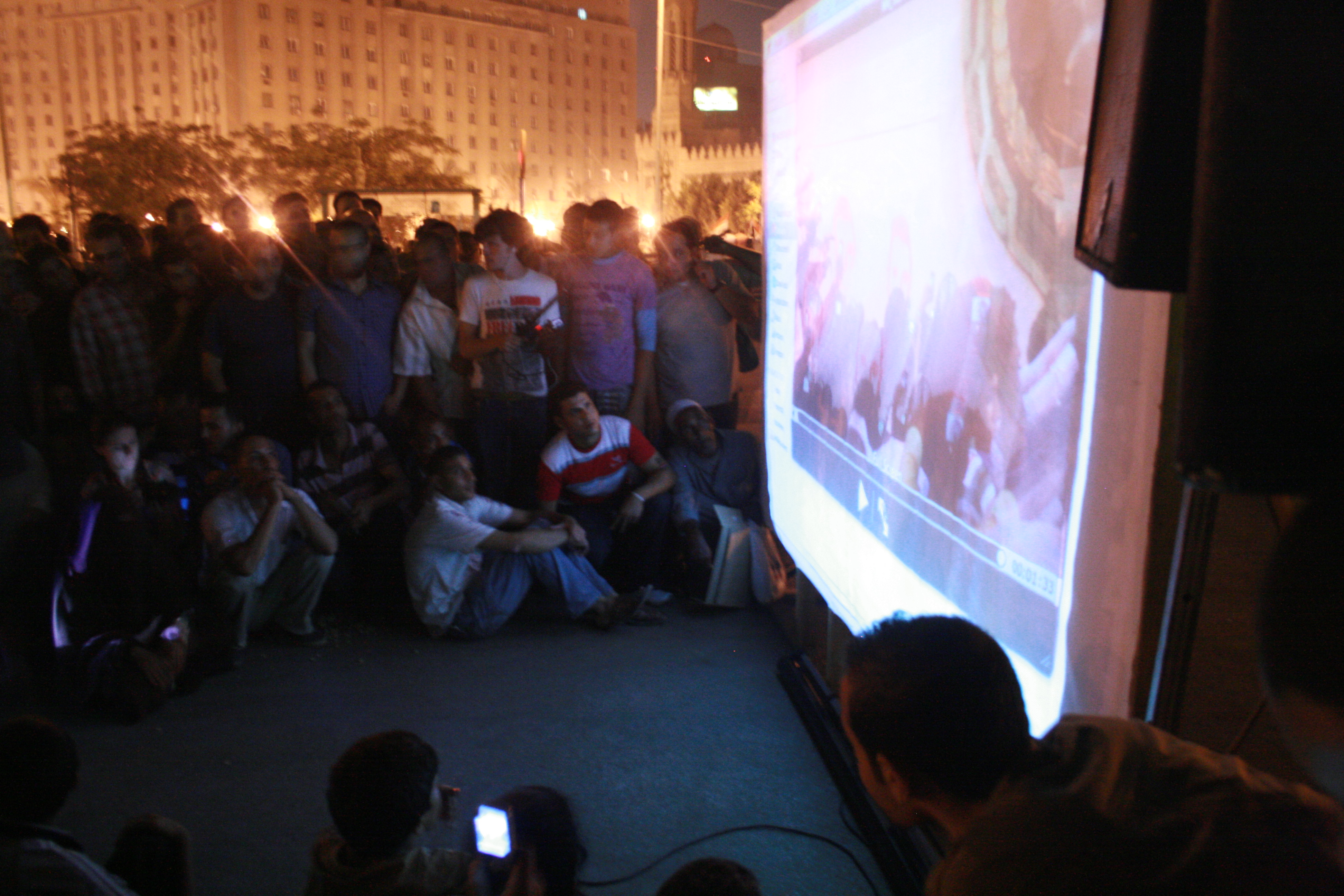
Product image for “The Revolution Continues”: Creative Practices Since the 2011 Egyptian Revolution.

“The Revolution Continues”: Creative Practices Since the 2011 Egyptian Revolution.

*Starts Wednesday 10 June* This 6 week live online course explores creative practices since the January 2011 Egyptian revolution, and how they have been negotiated by Egyptian artists, cultural practitioners, and activists as forms of resistance, grassroots activism, or political expression. Drawing on examples from the performing arts, media, visual arts, and cultural preservation, the course unpacks some of the dynamics of ‘subversive’ artistic practices that emerged since 2011, and their role in shaping understandings of place, citizenship, and collective agency, and by implication, reactivating the public sphere.

Course•By The Arab British Centre
Learn more
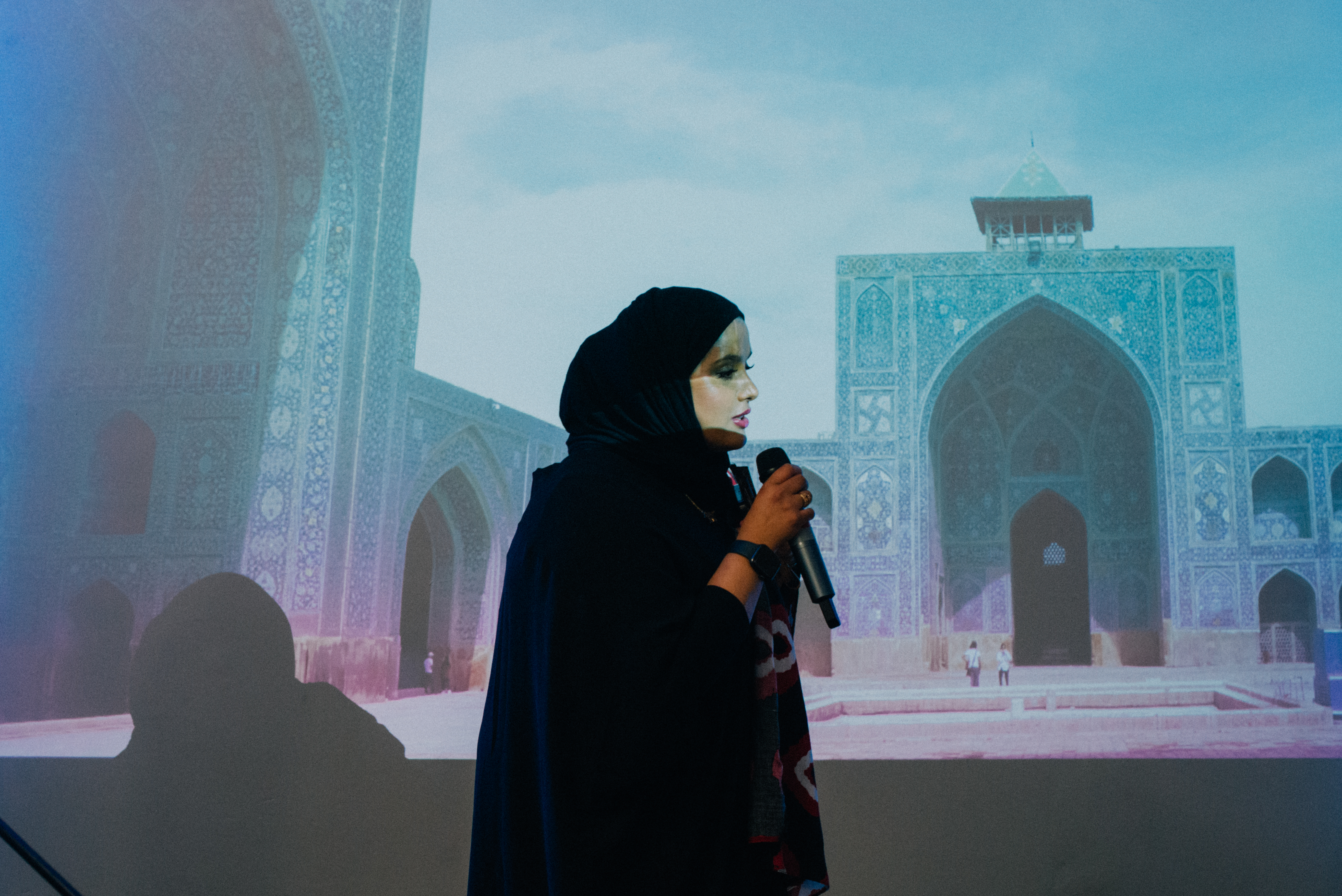
Product image for The Third House: Diasporic Poetry

The Third House: Diasporic Poetry

*Starts Thursday 18 June* The Third House is an in-between space between home, homeland, and the imagined future home, where Arab diaspora voices can explore identity, intergenerational memory, cultural landscapes, language, and belonging through creative practice and poetic writing. Led by poet Amina Atiq, this participant-led online course engages creative methodologies including oral storytelling, body mapping, photovoice and ghazal poetry; offering an opportunity to actively explore and produce knowledge shaped by stories carried, lived, and imagined.

Course•By The Arab British Centre
Learn more
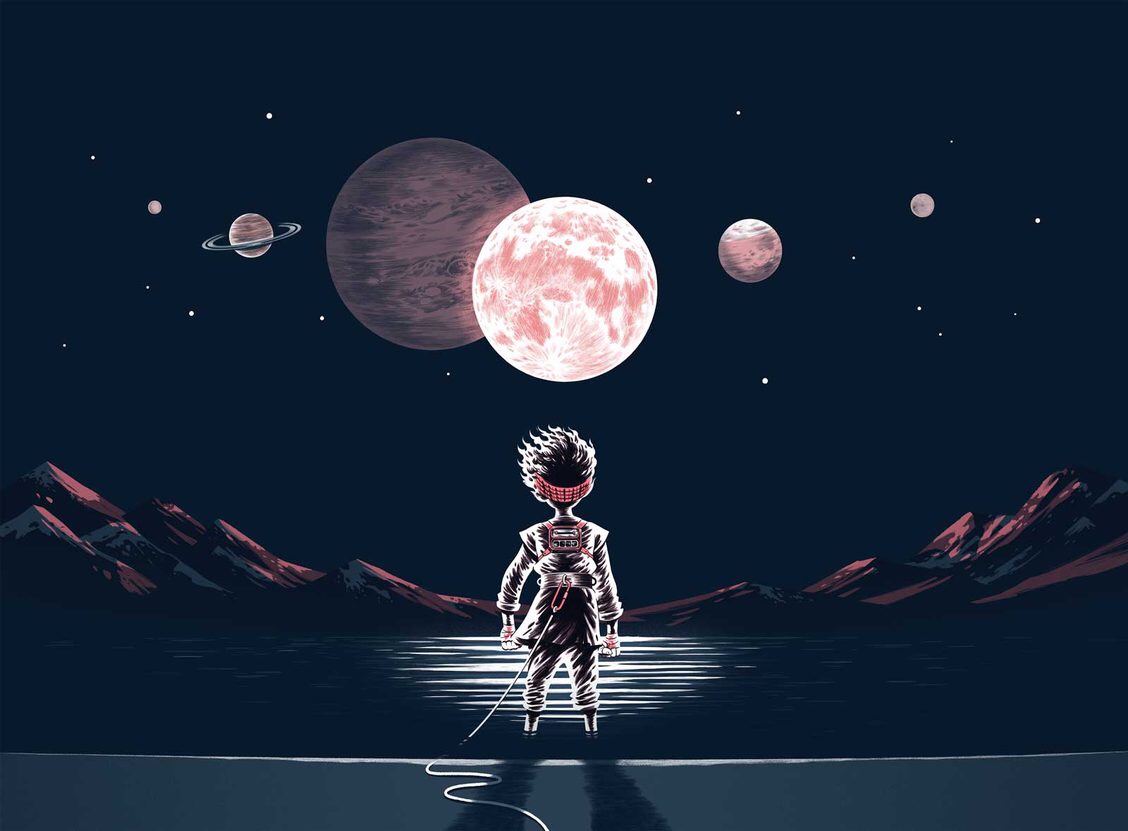
Product image for Vision Machines: The Multi-Worlds of Arab Science Fiction Narratives

Vision Machines: The Multi-Worlds of Arab Science Fiction Narratives

*Starts Tuesday 7 July * What alternative and encompassing views of time, technology and the cosmos do Arab science fiction narratives have to offer? A genre popularized in the twentieth century by comics/manga, blockbuster movies/anime and Anglo-American authors, science fiction is frequently referenced today to describe a world that is being dramatically and rapidly transformed by warfare, artificial intelligence, and environmental destruction. Vision Machines examines the work of authors, artists and filmmakers who alter widely held conceptions about the genre. Participants will have the opportunity to explore a vibrant range of material, including mainstream Egyptian movies and TV shows, experimental films by Palestinian and Lebanese artists, children’s comics, and serialised graphic novels. Drawing on Islamic tradition and culture, inventions and ancient myths, this course will enhance our understanding of the past, present and future as conceived in the Arab world.

Course•By The Arab British Centre
Learn more
19 products found
© 2026 The Arab British Centre
Built with Teachable
  • Terms of Use
  • Privacy Policy
The Arab British Centre logo

Main menu

Includes navigation links and user settings

The Arab British Centre logo
  • Browse products
  • Return to Home
  • Log in